

 Women over 50 are carrying real midlife challenges, career shifts, caregiving, health changes, dating after divorce, or retirement questions, while a phone keeps buzzing like it deserves a vote in every decision. The core tension is familiar: technology overwhelm can look like constant checking, endless scrolling, and staying “in touch,” yet it often feeds emotional disconnection from the people and life that matter most. Add guilt for not keeping up, or for spending too much time online, and it’s easy to feel like the problem is personal. Digital wellness for older women starts with a simpler truth: attention can be reclaimed.
Quick Summary: Mindful Tech for Midlife Connection
- Use technology mindfully to reconnect with yourself and the people who matter most.
- Choose a few healthy tech shifts that support emotional well-being rather than constant distraction.
- Focus on simple digital mindfulness strategies that feel beginner-friendly and doable.
- Notice the benefits of self-connection as you build calmer, more intentional tech habits.
Understanding Tech Mindfulness
Tech mindfulness means paying attention to how you use your devices and how they make you feel, moment by moment. It is less about quitting screens and more about choosing healthier technology habits that support calm, connection, and clear thinking.
This matters because small digital choices can change your whole day. When you notice what drains you, you can protect your energy, respond with more patience, and feel more like yourself. Over time, that steadier inner state can feel quietly spiritual, grounded, not mystical.
Picture checking messages first thing in the morning and feeling tense before coffee. Now imagine taking three breaths, silencing non-urgent alerts, and replying after breakfast. That simple pause makes room for finding balance and warmer conversations.
Mindful Tech Habits You Can Repeat With Ease
Small, consistent practices work better than big overhauls, especially when you are juggling family, work, and changing priorities. These habits help you build trust in yourself with technology, so your phone supports connection and wellbeing instead of stealing your attention.
Two-Minute Check-In Before You Tap
- What it is: Name your mood, then choose one purpose before opening an app.
- How often: Daily.
- Why it helps: It reduces autopilot scrolling and keeps you aligned with what you actually need.
Notification Clean Sweep
- What it is: Turn off non-essential alerts and set VIP’s for people you love.
- How often: Weekly.
- Why it helps: Less noise makes it easier to respond warmly, not reactively.
Single-Task Message Window
- What it is: Reply to texts and emails in one timed batch, then stop.
- How often: Daily.
- Why it helps: It protects focus and lowers the feeling of being “always on.”
Curate One Uplifting Corner
- What it is: Follow accounts that support psychological well-being and mute the rest.
- How often: Weekly.
- Why it helps: Your feed becomes a place to refill, not compare.
Evening Phone Parking Spot
- What it is: Charge your phone outside the bedroom and read or stretch instead.
- How often: Nightly.
- Why it helps: Better rest helps patience, memory, and steadier emotions.
Mindful Tech Q&A for Midlife Well-Being
Q: How can I use technology to reduce stress and support emotional well-being?
A: Start by using your phone like a calming tool, not a constant invitation. Try a 60-second breathing timer, a short voice note to a trusted friend, or a “three good things” note at night to shift your nervous system. If you slip back into stress-scrolling, reset without guilt and choose one supportive action.
Q: What are some mindful tech habits to help me feel less overwhelmed and more grounded?
A: Pick one small rule to test for seven days, like “no social apps before breakfast” or
“messages twice a day.” Keep it simple enough that you can succeed on a busy week.
Grounding comes from consistency, not perfection.
Q: In what ways can digital tools foster a deeper spiritual connection and self- awareness?
A: Use tech to create quiet, not noise: a daily reflection prompt, a guided meditation, or a playlist that helps you pray, breathe, or journal. If you want creative self-expression, experiment with an AI-assisted portrait tool to explore identity and possibility. A possible solution is to see how an AI portrait generator can support that kind of exploration, especially since 83% of creative professionals use generative AI in their work.
Q: How do I set healthy boundaries with technology to avoid feeling stuck or distracted?
A: Make boundaries visible and specific: set “do not disturb” hours, remove the most tempting apps from your home screen, and keep your charger in a spot that supports rest. If you live with others, tell them your plan so your boundary feels normal, not dramatic.
Q: How can technology assist me in tracking and managing my health challenges mindfully?
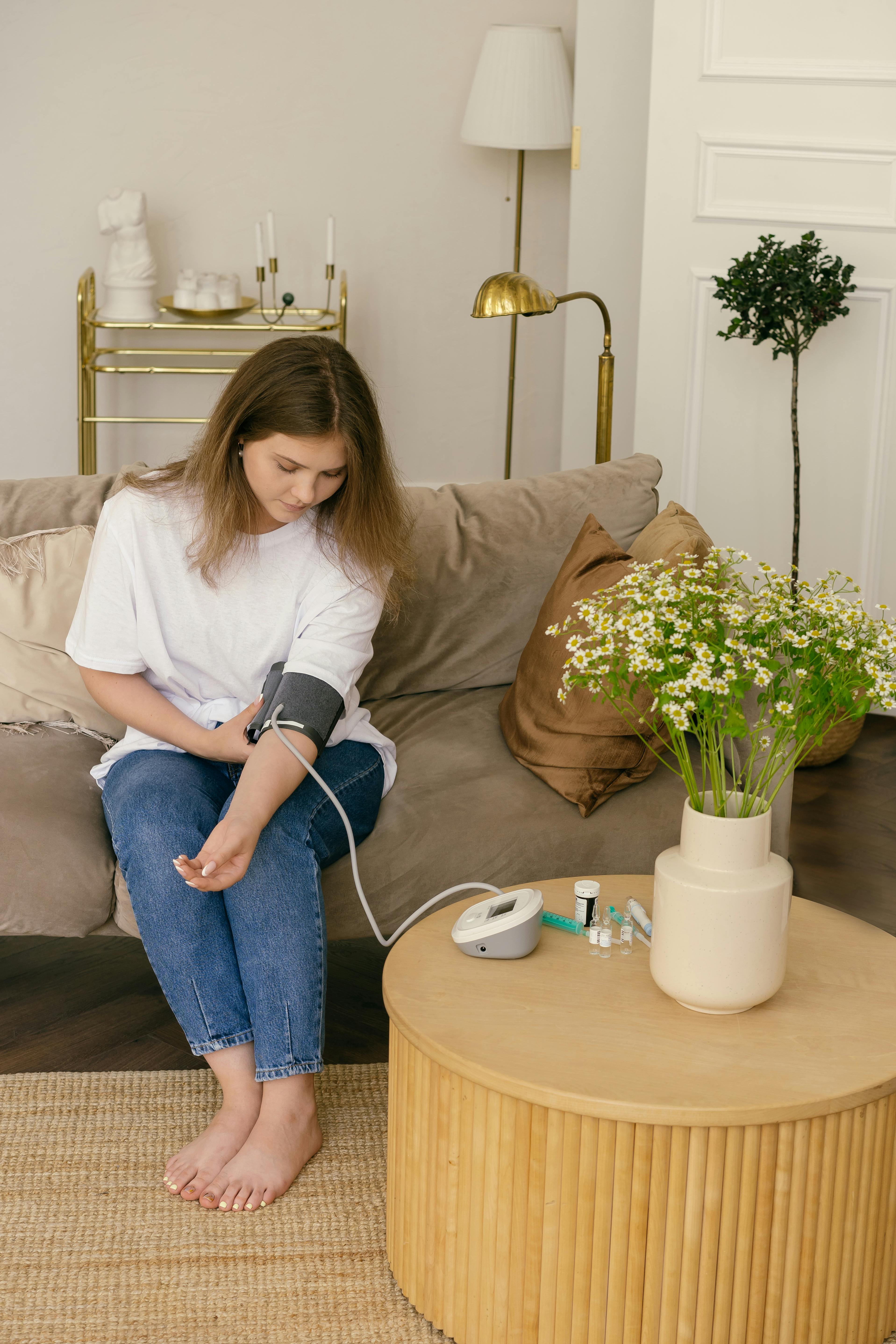
A: Choose one thing to track, like sleep, blood pressure readings, pain levels, mood, or walks, and review it once a week with curiosity. Use reminders as gentle nudges, not alarms that make you feel behind. The goal is awareness you can act on, not perfect data.
Build Long-Term Calm With a Mindful Weekly Tech Reset
It’s easy for technology to slip from helpful to draining, especially when old habits sneak back in, and boundaries blur. The steadier path is integrating mindful tech with curiosity and kindness, treating your phone, apps, and even AI as tools you choose, not forces that choose for you. Over time, sustainable tech habits create long-term digital wellness: more presence, better connection, and real confidence with digital tools. Your calm grows when you use technology on purpose, not by default. Set a 10-minute weekly reset to notice what felt good, what didn’t, and pick one small adjustment for the week ahead. That gentle rhythm builds empowered technology use that supports your health, resilience, and community. Remember “thisisyourbestyear”, tech can be an asset in your life.
*Guest post by Sarah Noel
No Comments